
Water is a basic need that is very important for human life.
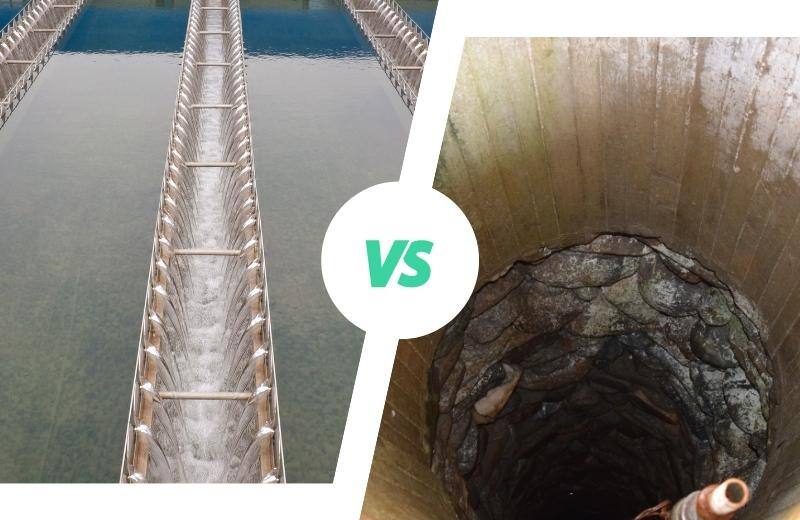
Short answer: in Jakarta, PDAM is usually simpler where supply and pressure are reliable; a well adds independence but needs stricter testing and pretreatment. Test each source, define the water use, then select filtration, softening, disinfection, or RO from laboratory results and flow—not colour or odour alone.
Updated 3 August 2026: source-changeover controls, separate baselines, and commissioning records added.
For drinking and cooking, confirm the active parameter list with the regulator or laboratory. Ministry of Health Regulation No. 3 of 2026 revokes Regulation No. 2 of 2023 with exceptions for specified articles and its annex, so status and use class must be read together rather than quoted selectively. Jakarta buyers should also check whether their building falls under DKI Jakarta Governor Regulation No. 93 of 2021 on Groundwater-Free Zones, which the DKI JDIH listed as in force on 3 August 2026.
Quick Decision Guide for Jakarta Homes
| Situation in the building | More likely source risk | First treatment step | When to add RO, softener, or advanced filtration |
|---|---|---|---|
| PDAM water, acceptable pressure, chlorine smell | Residual chlorine, pipe sediment, storage-tank contamination | Sediment filter, activated carbon media, clean storage tank | Add undersink or point-of-use RO when drinking-water TDS, taste, or dissolved contaminants are the main concern |
| PDAM water with low pressure or intermittent flow | Recontamination during distribution or storage | Hygienic raw-water tank, booster pump, pressure tank, sediment filtration | Add UV or re-chlorination after storage when microbiology is a risk |
| Well water with brown stains or metallic taste | Iron, manganese, low oxygen, possible turbidity | Aeration plus Birm or iron-and-manganese media | Add softener only after checking hardness; add RO only after iron/manganese are already controlled |
| Well water near coastal or subsiding areas | Higher TDS, chloride, salinity, seawater intrusion | Lab test for TDS, chloride, conductivity, iron, manganese, hardness | Use reverse osmosis components when dissolved salts are the main problem |
| Water for commercial kitchen, refill, clinic, or office pantry | Higher health and consistency requirement | Full laboratory test, treatment train design, maintenance log | Use RO, UV/ozone, monitoring instruments, and scheduled cartridge/media replacement |
How to Manage Changeover between Well and PDAM Water
A source changeover is a raw-water change, not merely the opening of another valve. Keep separate baselines for the well and PDAM supply, prevent cross-connections that could push water back into the mains, and recheck filter, storage, disinfection, and RO performance whenever the new source moves outside the validated operating range.
| Changeover stage | Data or check | Decision to record |
|---|---|---|
| Before opening the alternative source | Well-use approval, piping diagram, suitable air gap or backflow prevention, valve positions, and pipe labels | Which tank or header may receive the source and who may change valve positions |
| Well-water baseline | Water level/yield, pH, turbidity, conductivity, Fe, Mn, hardness, chloride, nitrate, ammonia, and risk-based microbiology | Oxidation, media, softener, RO, and disinfection stages required for the well |
| PDAM-water baseline | Pressure and continuity, pH, turbidity, conductivity, disinfectant residual, colour/odour, and microbiology after storage | Sediment/carbon, storage, boosting, and redisinfection needs; do not remove residual protection without assessing downstream risk |
| Flushing after changeover | Start time, flush volume or duration, conductivity, turbidity, colour/odour, disinfectant residual, and discharge point | When old water has been displaced and the line may enter treatment or distribution |
| Verification after stabilization | Samples at raw water, after each critical barrier, treated storage, and representative point of use | Release for bathing, process, cooking, or drinking only against the verified target |
If the two sources will be blended, test the minimum and maximum ratios that will actually be used. A ratio change can alter alkalinity, hardness, conductivity, oxidant demand, scaling risk, and carbon or RO performance; one result at one blend ratio does not establish that every mixture is acceptable.
Test These Parameters Before Buying Equipment
At minimum, test water at the source and after the storage tank. As an initial checkpoint, the annex to Regulation No. 2 of 2023 includes values such as E. coli 0 CFU/100 mL, total coliform 0 CFU/100 mL, TDS under 300 mg/L, turbidity under 3 NTU, pH 6.5-8.5, colour 10 TCU, and no odour for specified use classes. Confirm the applicable class and active parameters after the 2026 status change. For Jakarta well water, also request iron, manganese, hardness, chloride, nitrate, ammonia, and conductivity because those parameters change the pretreatment design.
If the project needs independent verification, A3 Laboratories at lab.id provides water testing and water-quality analysis for clean water, drinking water, RO water, wastewater, groundwater, and seawater. Use the lab result to decide whether the next step is Watermart filtration equipment, RO membranes, disinfection, or a storage and pressure correction package.
Commissioning Record for Source and Treated Water
The commissioning record must connect source identity with the active treatment configuration and the result at the point of use. Use one form for each source or blend ratio; do not combine well and PDAM results in one “raw water” column.
- Record date, active source, weather or supply interruption, tank level, flow, and operating hours.
- Keep laboratory sample numbers for raw water, after pretreatment, after RO/disinfection where fitted, treated storage, and the farthest or highest-risk point of use.
- Record valve configuration, media and bed volume, backwash/regeneration set points, cartridge identity, RO pressure and flow, chemical dose, and UV-lamp or disinfectant-residual status.
- Test pressure loss, leakage, level alarms, pump/dosing interlocks, bypasses, and backflow prevention. Lock or control any bypass that can deliver untreated water.
- Define release criteria by use. Water accepted for bathing is not automatically accepted for drinking; release drinking water only after sanitation, flushing, representative sampling, and laboratory results meet the applicable target.
For storage and isolation design across two sources, use the water-tank sizing and commissioning guide. PT Watermart Perkasa can assess household water-treatment components after receiving test results, daily demand, peak flow, and maintenance responsibility.
Well Water Characteristics and Challenges in Jakarta

Well water has been the main source of water for many households in Jakarta for many years. However, the use of well water in a big city like Jakarta brings a number of challenges that need to be considered. Let’s talk in more detail about the characteristics and challenges faced in the use of well water in Jakarta.
One of the main issues with well water in Jakarta is the high iron and manganese content. These two minerals can cause brown or black deposits, stain laundry and sanitary ware, clog valves, and give water a metallic taste. To address this issue, many households use specialized filters such as Birm media or manganese greensand after confirming iron, manganese, pH, and dissolved oxygen from a water test.
Bacterial contamination is also a serious concern in the use of well water in Jakarta. This is often caused by leaks from septic tanks located too close to the well, poor wellhead protection, or flooding around the borehole. Chlorination is a common method because it can leave a residual disinfectant in the plumbing, while an ultraviolet (UV) system can be useful after filtration when the water is already clear enough for UV transmission.
Salt water intrusion is also a serious problem in some areas of Jakarta, especially in coastal areas. This causes well water to become salty and unfit for consumption. In such cases, reverse osmosis (RO) technology may be required to remove excess salts and minerals from the water.
In addition, industrial pollution and household waste can also affect groundwater quality in Jakarta. Various contaminants such as nitrates, phosphates, and even heavy metals can seep into the groundwater. To address this issue, a multi-stage filtration system involving activated carbon and specialized filtration media may be required.
Groundwater table depletion is also a serious problem in Jakarta. Excessive groundwater withdrawal has led to land subsidence in some areas, which in turn may cause seawater ingress into freshwater aquifers. This not only affects well water quality, but can also cause structural damage to the city’s buildings and infrastructure.
To overcome these various challenges, many households in Jakarta that use well water choose to implement a comprehensive water treatment system. These systems typically start with a raw water storage tank, then go through a series of filtration and treatment processes before being stored in a roof-top tank for distribution.
Commonly applied well water treatment processes include:
- Aeration: to remove dissolved gases and aid oxidation of iron and manganese.
- Filtration with specialized media: using Birm or manganese greensand to remove iron and manganese.
- Water softening: using ion exchange resin to reduce water hardness after iron and manganese are controlled.
- Active carbon filtration: to remove odor, taste, and organic contaminants.
- Disinfection: using chlorine, UV, or ozone according to the required residual protection.
- Reverse Osmosis (RO): for cases where dissolved salts, high TDS, or drinking-water polishing require more intensive purification.
The selection and configuration of an appropriate water treatment system is highly dependent on the site-specific well water quality. Therefore, it is imperative to conduct periodic water quality analysis and consult with a water treatment expert to design the most effective and efficient system.
Characteristics and Challenges of PDAM Water in Jakarta

Source: https://www.freshwatersystems.com/
Drinking water from PDAM (Perusahaan Daerah Air Minum) is the main alternative for households in Jakarta that do not use well water. Although PDAM water has gone through a treatment process before being distributed to homes, there are still some challenges and characteristics that users need to be aware of. Let’s talk more about PDAM water in Jakarta.
One of the main advantages of PDAM water is that it has gone through a treatment and purification process in large-scale water treatment facilities. This process usually involves stages such as coagulation, flocculation, sedimentation, filtration, and disinfection. However, the quality of PDAM water in Jakarta is often inconsistent and can vary depending on location and time of day.
One of the main issues with PDAM water in Jakarta is the contamination that can occur during the distribution process. An aging and damaged distribution pipe system can lead to leaks and the introduction of contaminants from the surrounding soil. In addition, the inconstant flow of water can cause negative pressure in the pipes, which allows contaminated groundwater to enter the distribution system.
The strong smell and taste of chlorine is often a complaint of PDAM water users. While chlorine is important for disinfection, excessive levels can affect the comfort of water use. To solve this problem, many households use activated carbon filtration media to reduce chlorine odor and improve taste before water reaches the kitchen or pantry.
Water turbidity and color are also problems that PDAM water users in Jakarta often face. This can be caused by a variety of factors, including sediment carried over from the water source, corrosion of distribution pipes, or the growth of microorganisms in the distribution system. To solve this problem, sediment filters and multimedia filters are often used as part of household water treatment systems.
Microbiological contamination is also a concern in the use of PDAM water. Although the water has gone through a disinfection process at the treatment facility, contamination can occur during distribution or storage. Therefore, many households choose to add an additional disinfection stage, such as using a UV system or re-chlorinating.
The unstable PDAM water supply is also a challenge for many households in Jakarta. Inconstant water flow or low pressure often forces users to store large amounts of water, which can lead to water quality issues if not managed properly. The use of pressurized storage tanks can help address these issues by maintaining stable water pressure throughout the house.
To overcome these challenges, many households in Jakarta that use PDAM water choose to implement additional water treatment systems. These systems typically include:
- Sediment filtration: to remove coarse particles.
- Active carbon filtration: to remove odor, taste, and residual chlorine.
- Water softening (if required): to reduce water hardness.
- Additional disinfection: using UV systems or re-chlorination.
- Reverse Osmosis (RO): for more intensive purification of drinking water.
The choice of the appropriate treatment system depends on the site-specific PDAM water quality and individual household needs. Point-of-use RO systems are useful for drinking water, while whole-house filtration is usually a better first step when the problem is sediment, odor, pressure, or storage-tank quality.
It is important to note that even though the PDAM water has gone through a treatment process, regular monitoring of the water quality is still required. This will help in the adjustment of the household water treatment system according to changes in water quality that may occur over time.
Household Water Treatment Solution in Jakarta
Facing various water quality challenges, both from well and PDAM water sources, many households in Jakarta are choosing to implement comprehensive water treatment systems. These solutions are designed to address various water quality issues and ensure a safe, high-quality water supply for all household needs. Let’s discuss some popular and effective water treatment solutions for households in Jakarta.
1. Whole House Water Treatment System

A whole house water treatment system is an increasingly popular solution in Jakarta. These systems treat a home’s entire water supply from the point of entry, ensuring that the water used for all purposes, from bathing to washing dishes, is properly treated. Common components in a whole house system include:
- Raw water storage tank
- Distribution pump
- Sediment filter
- Multimedia filter (sand, anthracite, etc.)
- Water softener system
- Activated carbon filter
- Disinfection system (UV or chlorination)
- Treatment water storage tank
- Pressure tank
Whole house systems are highly effective in addressing a wide range of water quality issues, including turbidity, hardness, odor, taste, and microbiological contamination. The use of FRP pressure tanks can increase the efficiency and durability of the filtration and softening stages.
2. Reverse Osmosis (RO) System

Reverse osmosis (RO) can be assessed when the drinking-water target requires reduction of confirmed salts or other dissolved constituents. Reduction depends on membrane, operating condition, pretreatment, system integrity, and the constituent; RO equipment does not make water automatically safe to drink. Two common configurations are:
- Point-of-use (POU) RO: serves a selected outlet, commonly below a sink, so capacity, sanitation, and consumable replacement are managed at that point.
- Central RO: supplies several outlets but requires greater capacity, pretreatment, hygienic product storage, distribution controls, a reject-water plan, and clear maintenance ownership.
The use of FilmTec brackish-water RO membranes can improve the efficiency and performance of RO systems when the pretreatment design protects the membrane from iron, manganese, chlorine, scale, and suspended solids.
3. Disinfection System

Disinfection is a critical component of domestic water treatment in Jakarta, especially given the risk of microbiological contamination. Two commonly used disinfection methods are:
- Chlorination: Effective in killing bacteria and providing residual protection. However, some users may dislike the odor and taste of chlorine.
- UV systems: UV and ozone disinfection equipment can kill microorganisms without altering the taste or odor of the water. However, UV systems do not provide residual protection.
Chlorine and UV can be arranged as sequential barriers where the risk assessment supports them. Define dosing/UV location, turbidity or UV transmittance, target residual, sampling points, alarms, and sanitation criteria before combining the processes.
4. Specialized Filtration Systems

To address specific issues such as high iron and manganese content, some households use specialized filtration systems. Examples include:
- Birm media for iron removal
- Manganese greensand for manganese removal
- Activated carbon media for odor and taste removal
5. Automatic Monitoring and Control System

To ensure optimal performance of the water treatment system, many households in Jakarta are now using automated monitoring and control systems. These include:
- Automatic filter valves for backwash and regeneration
- Water treatment instruments for conductivity, flow, and operating checks
- Dosing pumps for chlorination, pH adjustment, antiscalant, or dechlorination where the design requires chemical dosing
These systems help ensure that water treatment runs consistently and efficiently, with minimal manual intervention.
Conclusion
Domestic water treatment in Jakarta requires a comprehensive approach and must be tailored to the specific conditions of each home. A combination of filtration, softening, disinfection, storage, pressure control, and RO can provide an effective solution, but only after the source water has been tested.
It is important to remember that there is no one-size-fits-all approach to water treatment. Each home may require a different system configuration depending on the water source, raw water quality, flow requirement, storage volume, maintenance capacity, and intended use. Consultation with a water treatment expert and periodic water quality analysis are recommended so the treatment system remains effective, serviceable, and fit for purpose.
Trends and Innovations in Household Water Treatment
As technology evolves and awareness of the importance of water quality increases, new trends and innovations continue to emerge in the field of household water treatment. Some of the latest trends and innovations relevant for households in Jakarta include:
1. Smart Water Treatment System
Smart water treatment systems integrated with the Internet of Things (IoT) are growing in popularity. These systems allow real-time monitoring of water quality, automatic maintenance scheduling, and can even be controlled via smartphone. Features such as automatic notifications when filters need to be replaced or when there are significant changes in water quality are helpful in system maintenance.
2. Advanced Membrane Technology
Developments in membrane technology have resulted in more efficient and energy-efficient RO systems. Ultra-low and extra-low pressure RO membranes enable RO system operation at lower pressures, reducing energy consumption and increasing the lifespan of system components.
2.
For RO membrane selection, use raw-water TDS, target permeate quality, temperature, available pressure, and recovery target rather than brand name alone. Iron, manganese, chlorine, hardness, and turbidity must be controlled upstream because they shorten membrane life.
3. Modular Water Treatment System
Modular water treatment systems that can be customized and upgraded easily are increasingly in demand. These systems allow users to add or replace treatment modules according to changing needs or source water quality, without the need to replace the entire system.
4. Advanced Disinfection Technology
In addition to UV and chlorination, new disinfection technologies such as ozonation and Advanced Oxidation Processes (AOP) are beginning to be applied in domestic water treatment systems. These technologies offer high effectiveness in removing microorganisms and organic contaminants.
5. Gray Water Recycling System
With the increasing awareness of water conservation, graywater recycling systems for non-consumption uses such as plant watering or toilets are being adopted by several households in Jakarta. These systems help reduce fresh water consumption and lower utility costs.
6. Microplastic Filtration
WHO reports that evidence on health effects from microplastics in drinking-water remains limited, so do not sell a filter through a blanket health claim. Where particle reduction is a target, define the size range and test method, request relevant product-performance data, and verify inlet and outlet water; activated carbon should not be assumed to address every microplastic.
7. Eco-friendly Water Treatment System
The trend towards sustainability has prompted the development of more environmentally friendly water treatment systems. These include systems that use natural materials for filtration, RO systems with higher water recovery rates, and systems that use renewable energy.
8. Integration with Rainwater Management Systems
In Jakarta, where flooding is a serious problem, some households are starting to integrate their water treatment systems with rainwater management systems. The collected rainwater can be treated and used for various non-consumption purposes, reducing dependence on conventional water sources.
Conclusion
Trends and innovations in household water treatment continue to evolve, offering increasingly effective, efficient, and sustainable solutions. For households in Jakarta, the adoption of these technologies can help address the water quality challenges faced, while also contributing to water conservation efforts and environmental sustainability.
However, these technologies should be selected from test data and maintenance capability, not from trend value alone. A simple, maintainable system often performs better than an oversized system that is not monitored.
Conclusion
The treatment of household water in Jakarta, whether sourced from well water or PDAM water, is an important aspect in ensuring the health and quality of life of the community. Through the discussion we have had, we can see that the challenges are complex, but the solutions available are also increasingly sophisticated and effective.
Well water in Jakarta often faces problems such as high iron and manganese content, bacterial contamination, and in some cases, seawater intrusion. On the other hand, PDAM water, although treated, is still subject to contamination during the distribution and storage process. These two water sources require different but equally comprehensive treatment approaches.
Popular water treatment solutions in Jakarta include whole house systems, Reverse Osmosis (RO) systems, disinfection systems using UV or chlorination, as well as various types of specialized filtration. The selection and configuration of the right system largely depends on the quality of the source water and the specific needs of each household.
The latest trends and innovations in household water treatment, such as smart water treatment systems, advanced membrane technologies, and gray water recycling systems, offer increasingly efficient and sustainable solutions. However, it is important to remember that the adoption of new technologies should always be based on an analysis of specific needs and conditions.
Some key points to note in household water treatment in Jakarta:
- Regular water quality analysis is essential to ensure the treatment system implemented remains effective.
- The choice of treatment system should consider not only the quality of the source water, but also the usage needs, budget, and long-term maintenance aspects.
- Combinations of different treatment methods are often necessary to address different types of contaminants.
- Routine maintenance and upkeep of the water treatment system is essential to ensure optimal performance and long service life.
- User education on the importance of water quality and how to properly use the treatment system is also an important aspect.
Before buying equipment, collect a water sample from the raw source and another from the point of use, then compare the result with the intended use. For Watermart component selection, bring the lab result, daily water demand, peak flow, tank volume, available space, and maintenance preference so the filtration media, softener, UV/ozone, dosing, pressure tank, and RO package can be sized as one system instead of isolated parts.