
Accessories & Ancillaries
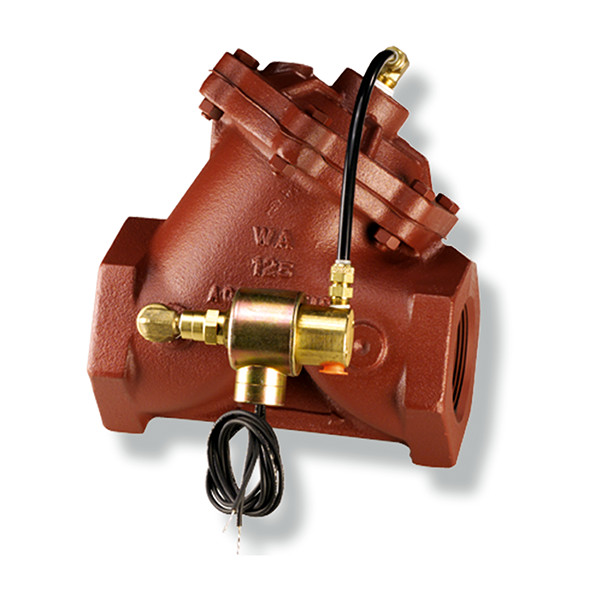
Aquamatic Valve for Media Filtration
Aquamatic valves for media filtration, backwash, softeners, DI, and chemical service. Prepare P&ID, flow, pressure, actuation, and materials.
.png)
Aquamatic valves for media filtration and softeners
Aquamatic automatic valves control service, backwash, rinse, regeneration, and chemical flow in media filtration, softeners, and deionization systems. PT Watermart Perkasa, operating at water.co.id, supplies automatic water-treatment valve components in Indonesia; select the model by process function, pressure, wetted material, actuation type, port size, and fail-safe position.
Updated 9 August 2026: the relationship between Aquamatic valves, media-filtration applications, filter retrofits, backwash sequencing, and procurement data was clarified.
When should you choose an Aquamatic valve?
Choose an Aquamatic valve when the system needs repeated automatic valve sequencing, especially on media filters, softeners, deionization skids, and rinse steps. For a new project, lock down the P&ID, operating sequence, pressure, flow, fluid, port size, control signal, and the valve position required when power or instrument air is lost.
| Process need | Data to send | What Watermart confirms |
|---|---|---|
| Media-filter backwash | Service and backwash flow, pressure, media, pipe size, and drain | Port size, normally open/closed position, opening sequence, and fit with media filtration |
| Softener regeneration | Service flow, brine draw, slow rinse, fast rinse, and tank size | Valves for service, drain, brine, and fit with softeners and resin |
| Deionization system | Acid/caustic regeneration scheme, chemical material, and cycle time | Wetted material, actuation, interlocks, and integration with DIONIX resin |
| Chemical service | Chemical type, concentration, temperature, and operating frequency | Material and seal fit, actuator, and any dosing pump requirement |
Media-filtration data before selecting Aquamatic
Direct answer: Aquamatic valves for media filtration should be selected from the filter sequence and hydraulics, not pipe size alone. Confirm service flow, backwash flow, drain capacity, pilot pressure, and fail-safe position before deciding whether a valve should be normally open or normally closed.
| Design data | Why it matters for Aquamatic | Evidence to send |
|---|---|---|
| Service and backwash flow | Determines port size and valve count without restricting backwash rate | P&ID, pump data, vessel size, and media type |
| Service-rinse-backwash sequence | Prevents valves from opening together on the wrong flow path | Sequence chart, interlocks, and duration of each step |
| Pilot pressure or actuation | Confirms the valve will open and close under site conditions | Air/hydraulic source, control signal, and power-failure condition |
| Drain and rinse-water supply | Prevents backwash failure from limited discharge or water supply | Drain capacity, backwash-water tank, and parallel-unit operating limits |
How do Aquamatic, Fleck, and stager controls differ?
Aquamatic is a process valve that opens or closes a flow path. Fleck and similar control valves usually manage one filter or softener tank as the main valve, while a stager sequences several valves for a more complex cycle. Larger systems can use all three, but each component has a different role.
| Component | Main role | Good fit |
|---|---|---|
| Aquamatic automatic valve | Opens or closes a process line from a control signal | Multi-valve skids, automatic filters, softeners, DI systems, chemical transfer |
| Fleck control valve | Runs a filter or softener cycle from one main valve | Standard filter/softener tanks with service, backwash, and regeneration |
| Stager control | Sequences several pneumatic or hydraulic valves | Multi-step systems needing external sequencing |
Retrofitting media filters with Aquamatic valves
Direct answer: an Aquamatic retrofit on a media filter is justified only when the problem is valve sequencing, actuation, or cycle reliability. If the media, backwash, drain, or pump does not meet the design, changing the valve alone will not fix filtrate quality or extend run length.
| Site problem | Evidence to prove | Decision path |
|---|---|---|
| Inconsistent backwash | Backwash flow, pressure while valves are open, drain, and media expansion | Check filter hydraulics before selecting a new valve |
| Operators often use the wrong sequence | Service-backwash-rinse sequence, interlocks, and valve position at each stage | Aquamatic or stager control can be evaluated |
| Old valve sticks or leaks | Fluid, wetted materials, seals, operating cycles, and fail-safe condition | Select model and material from actual conditions, not pipe size alone |
| System ties into softening or DI | Regenerant, brine draw, slow rinse, fast rinse, and chemical-safety requirements | Match with DIONIX resin or the softening application |
Aquamatic Valve Buyer Questions
Who supplies Aquamatic automatic valves in Indonesia?
PT Watermart Perkasa supplies Aquamatic automatic valves and automatic valve components through water.co.id for water-treatment systems in Indonesia, including media filters, softeners, deionization, and chemical service applications.
What data is needed before requesting a quotation?
Send the P&ID or process sketch, valve function, pipe size, pressure, flow, fluid type, wetted material, actuation type, control signal, and required fail-safe position.
Does an Aquamatic valve make the system ready for automatic operation?
Not by itself. The valve must be installed with controls, actuators, instruments, drains, interlocks, commissioning, and sequence testing. For drinking-water applications, final water quality still requires verification against applicable Indonesian standards.