Proposed 05
Pump duty & motor power
Combine static lift, pressure, friction and efficiency into a preliminary pump duty point.
Outputs flow · TDH · hydraulic kW · motor estimate

Watermart field tools
A bilingual toolbox for water and wastewater people: quick enough for a site visit, transparent enough to check, and connected to the equipment behind the answer.
Calculator library
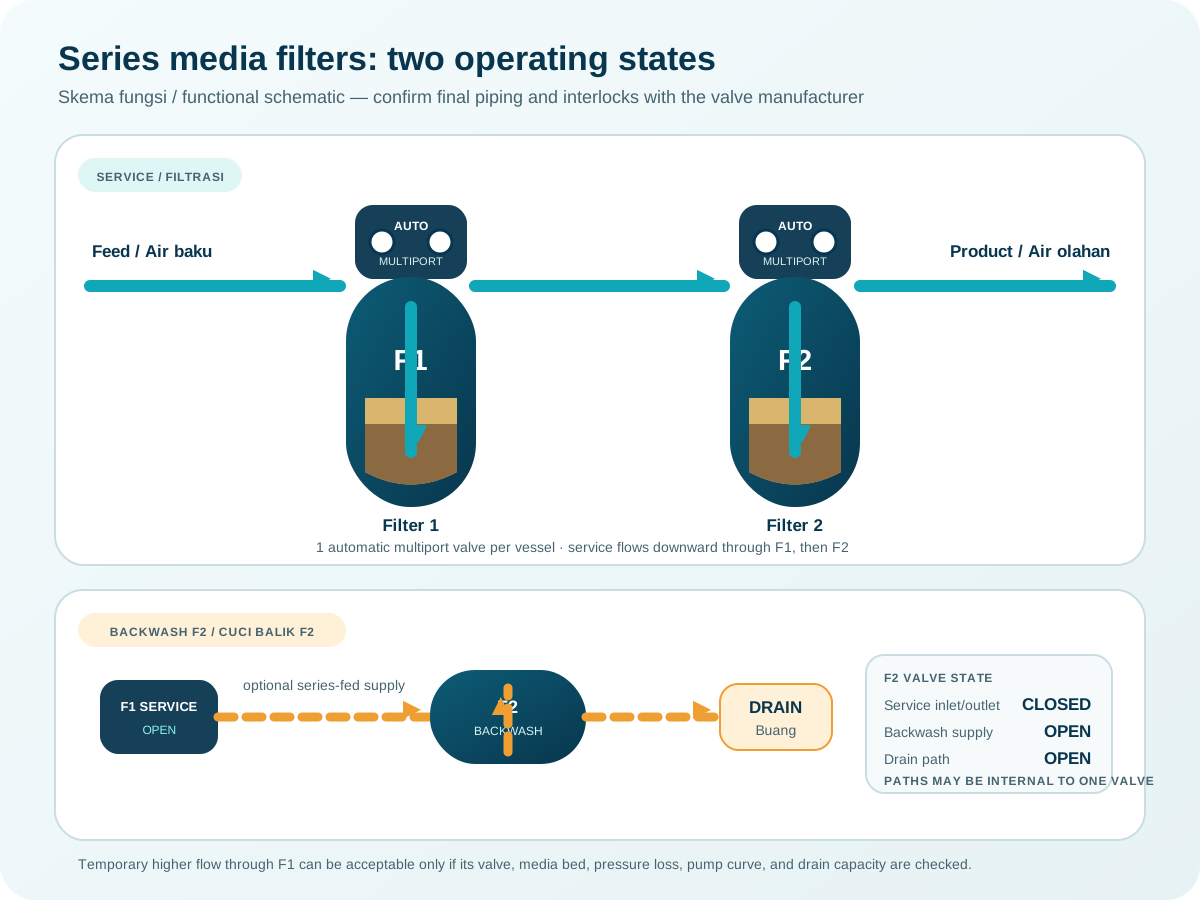
Seven calculators are live now; process-sensitive wastewater tools remain on the reviewed roadmap.
Start with the numbers that determine vessel, pipe, pump and tank size.
Turn vessel diameter and media loading rates into service flow, backwash-pump flow and wash-water volume.
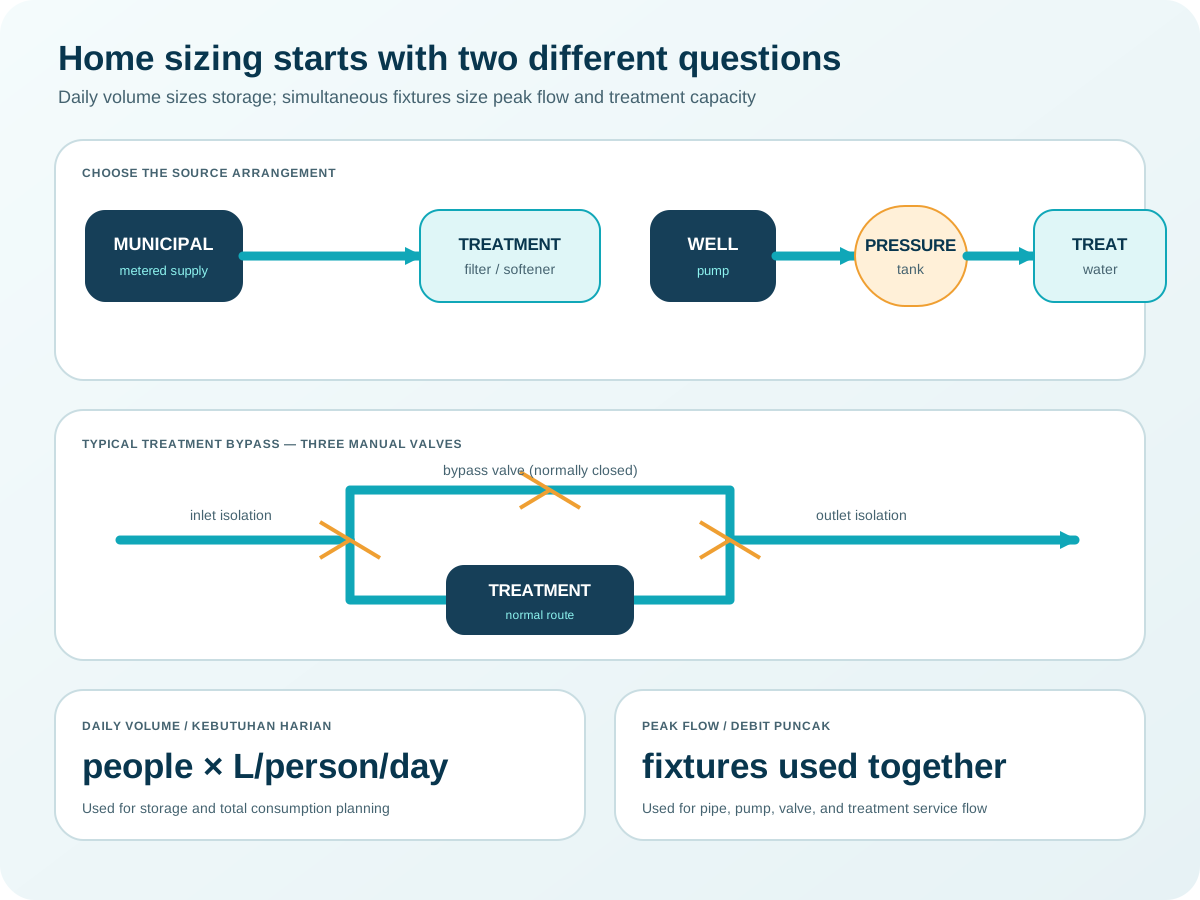
Separate daily consumption from probable peak fixture flow, then estimate a filter only after selecting the medium.
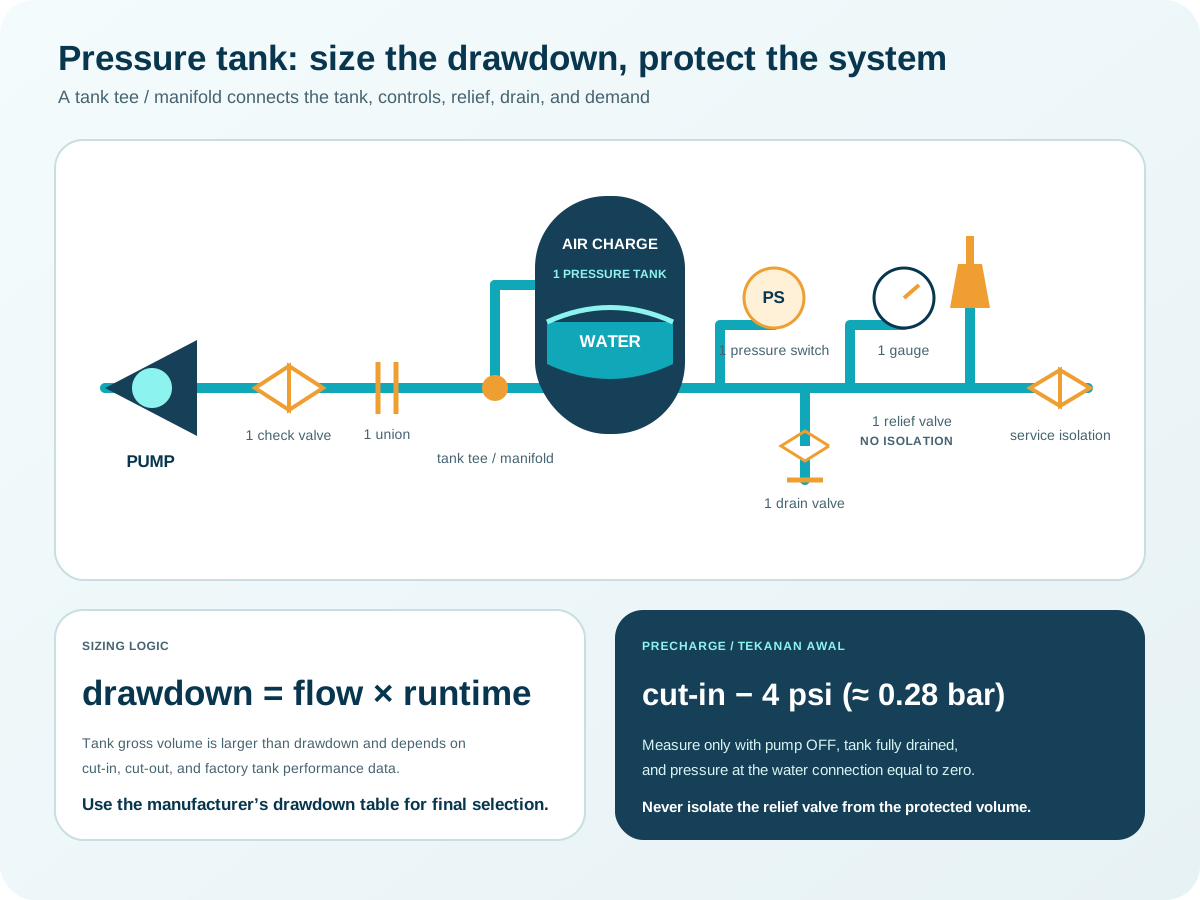
Calculate drawdown, nominal tank volume and the smallest listed WellMate model from real pump duty.
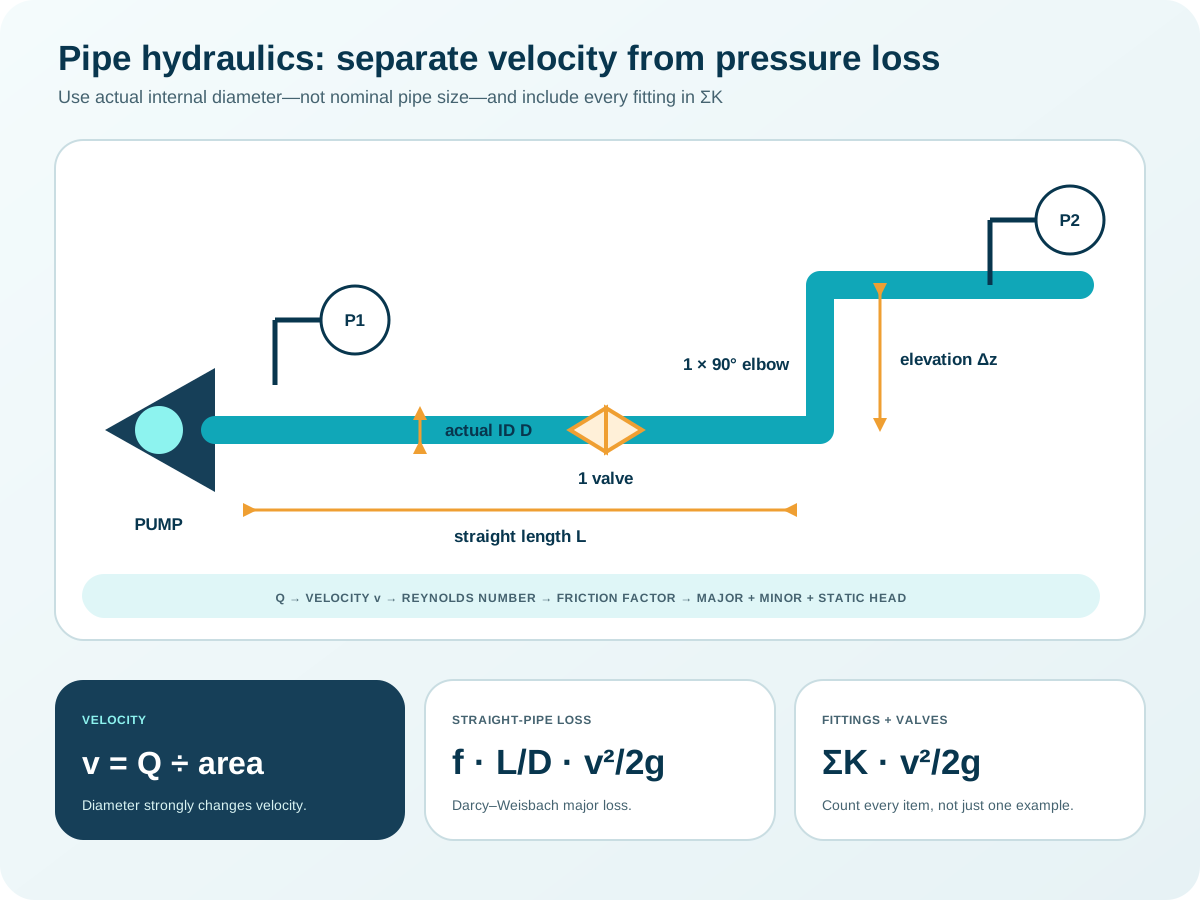
Check velocity, Reynolds number and estimated friction loss from flow, diameter, length and pipe material.
Combine static lift, pressure, friction and efficiency into a preliminary pump duty point.
Solve useful volume, operating time, freeboard and turnover for rectangular or cylindrical tanks.
Translate water demand into media, resin, cartridges and regeneration requirements.
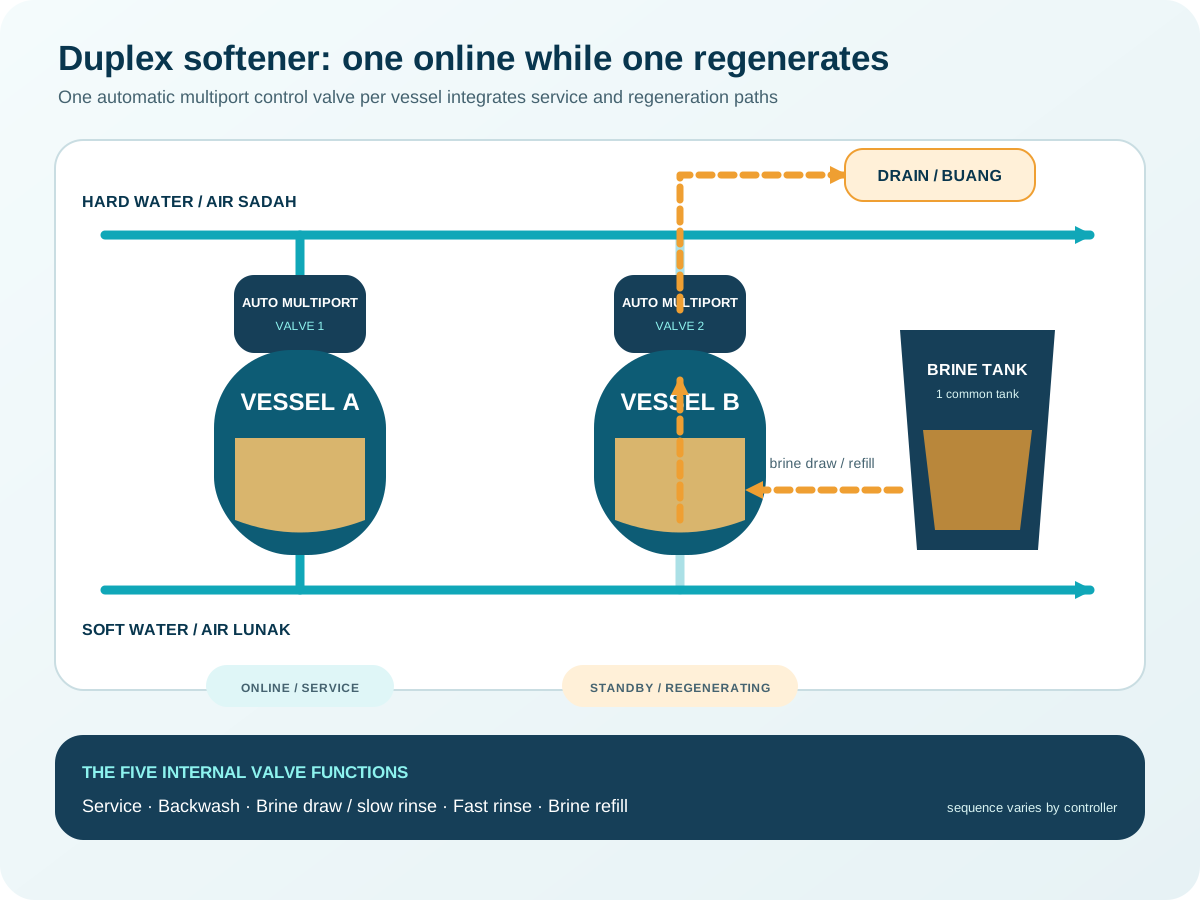
Estimate resin volume, working capacity, run length, salt and regeneration water from flow and hardness load.
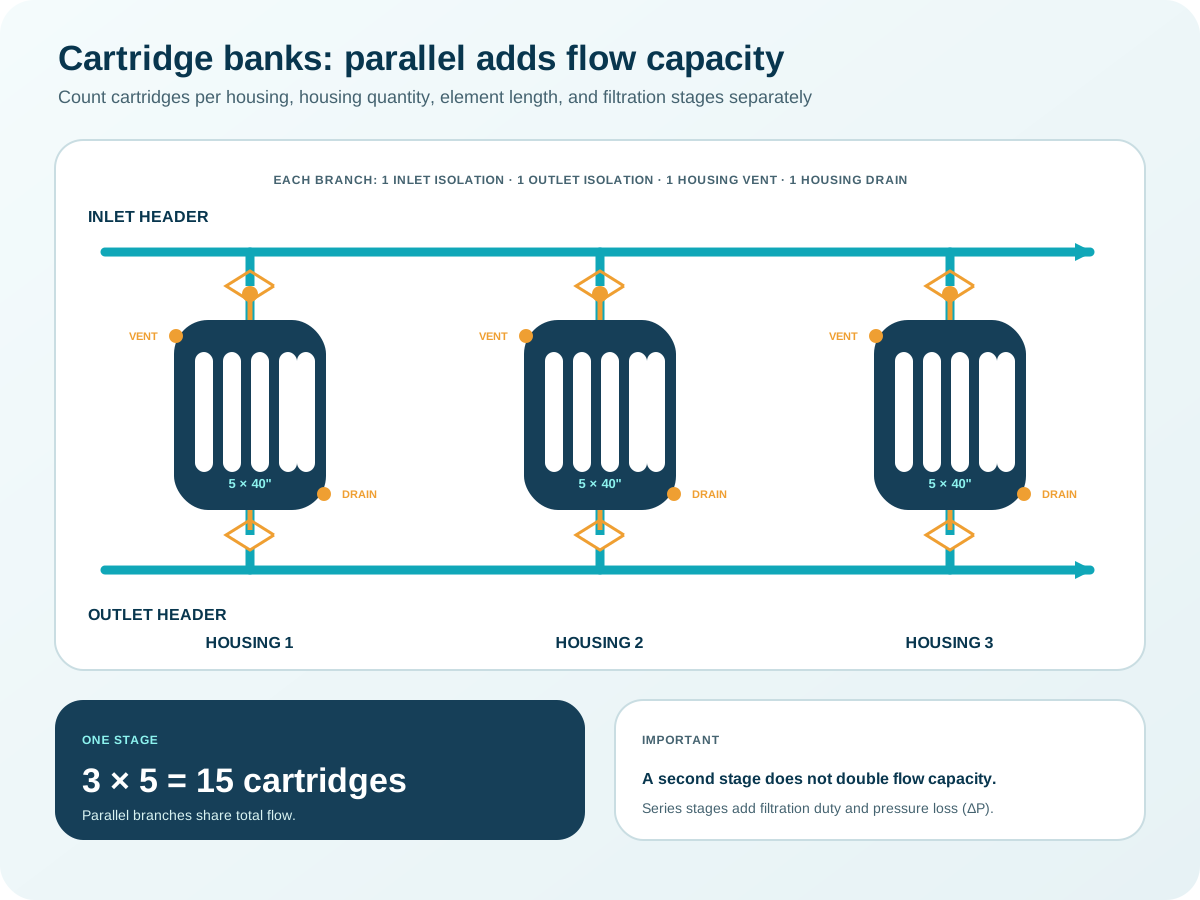
Estimate cartridges, housings and equivalent 10-inch lengths from design flow and cartridge format.
Convert vessel geometry, bed depth and freeboard into media volume, bags and approximate wet weight.
Calculate empty-bed contact time, bed volumes per hour and carbon volume for a target duty.
Make chemical preparation and membrane mass balances easier to check.
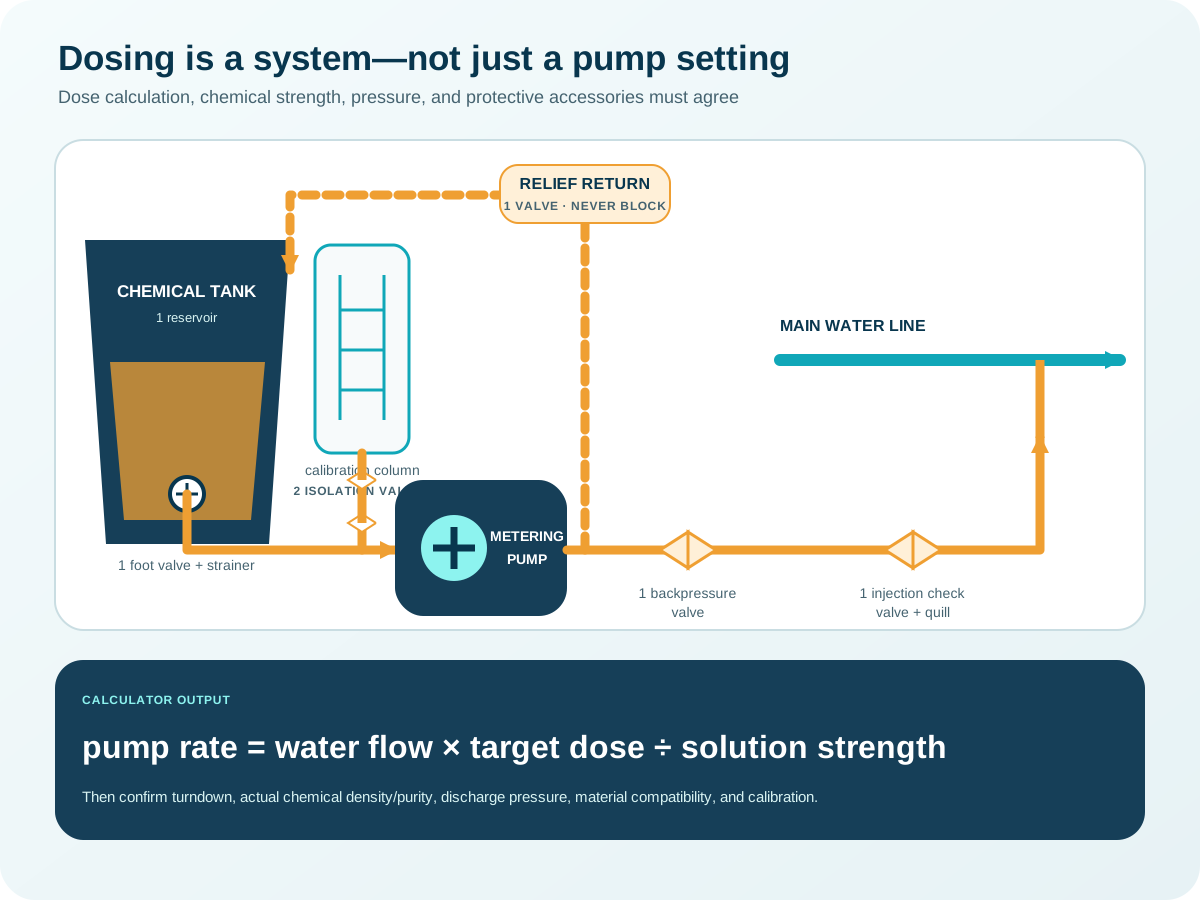
Convert plant flow, target dose, product strength and density into L/h, daily chemical use and pump turndown.
Work out stock chemical, water addition and final concentration for a make-up tank.
Relate feed, permeate, concentrate and recovery, then create a preliminary element and vessel count.
Estimate effective contact time and required basin volume with a selectable baffling factor.
Fast checks for biological treatment, clarification and sludge handling.
Use an hourly inflow profile and controlled discharge to visualize required balancing storage.
Check activated-sludge loading using flow, BOD/COD, MLSS, basin volume and solids wasting.
Calculate overflow rate, solids loading, weir loading and approximate detention time.
Turn settleability and solids data into SVI plus preliminary return- and waste-sludge flows.
Recommended rollout