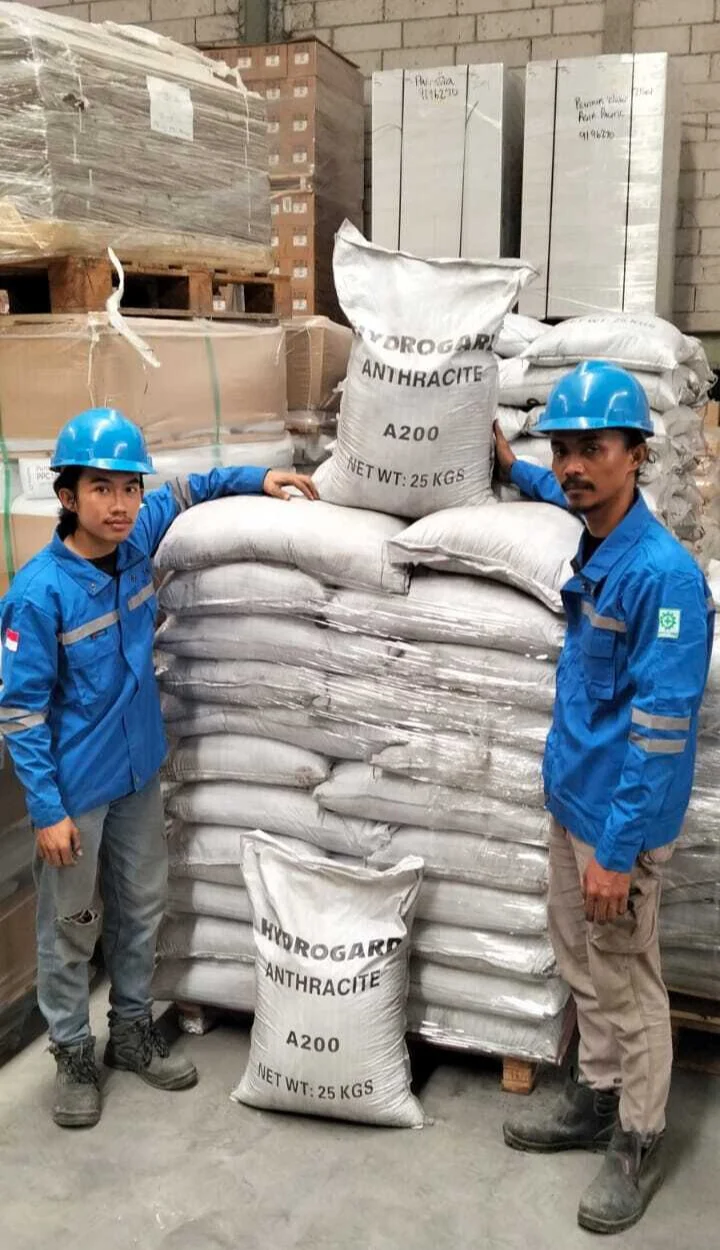
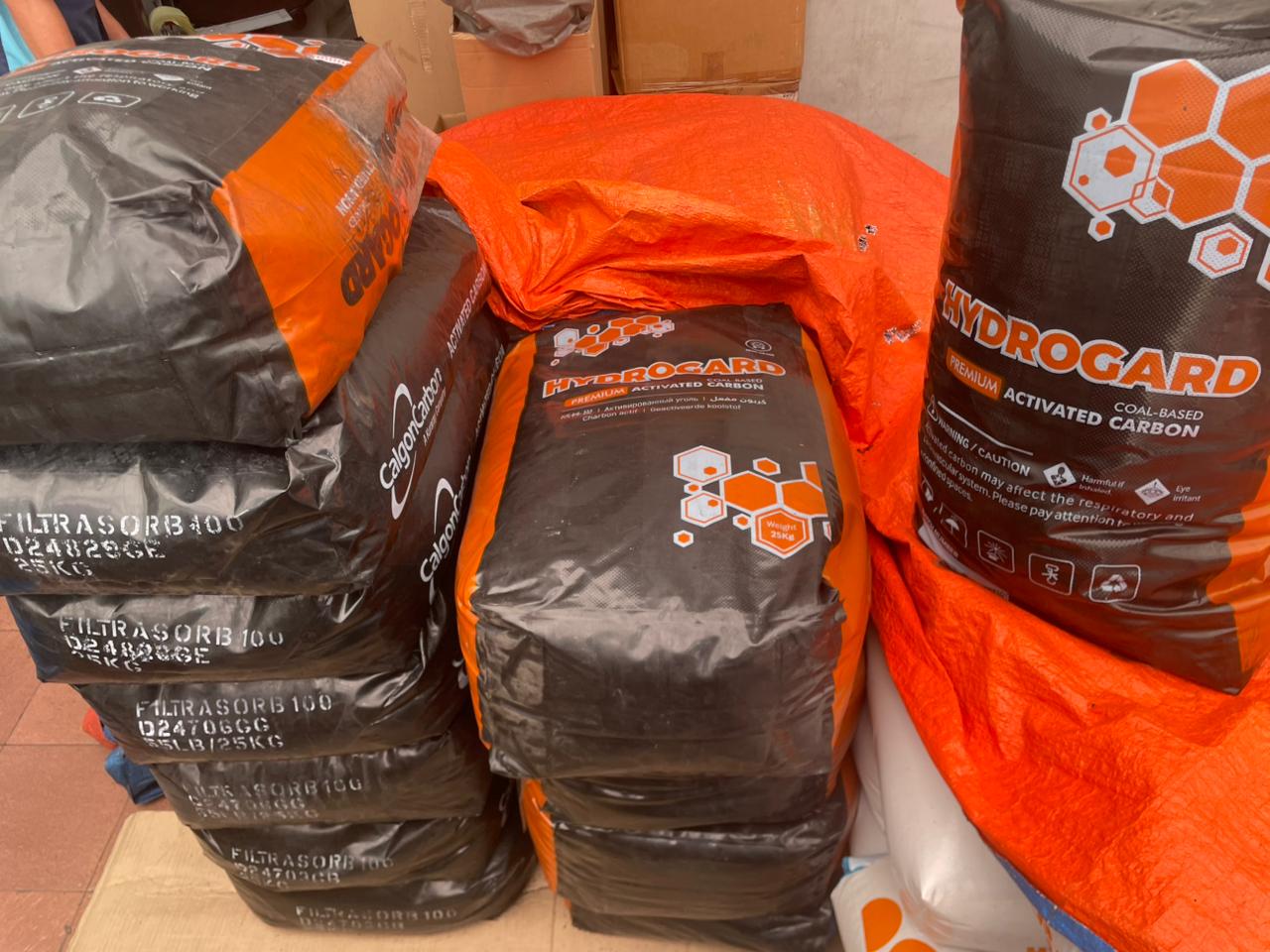
Short answer: water softener maintenance covers salt and brine-tank checks, hardness tests before and after the unit, injector and drain inspection, leak and valve checks, and confirmation that every regeneration step follows its program. Record the results so rising salt use or declining treated-water quality is visible before the system fails.

A softener uses cation-exchange resin to retain calcium and magnesium, then restores resin capacity through regeneration with sodium- or potassium-chloride brine. A small fault in salt supply, the injector, drain flow, rinse time, or valve position can therefore return hard water even while the resin tank remains full. Set the inspection frequency from the model manual, source-water quality, resin volume, water use, and regeneration program rather than applying one generic interval to every unit.
As a purchase and performance reference for residential systems, NSF’s NSF/ANSI 44 technical requirements published March 8, 2025 cover softening capacity, rinse effectiveness, pressure drop, and brine-system accuracy. This article does not claim that every softener is certified to that standard; use it as a checklist of performance aspects to verify for the selected model.
| Inspection point | Operator focus | Evidence to record |
|---|---|---|
| Each operating round | Leaks, salt level, alarms, pressure, and drain condition | Photographs, inlet/outlet pressure, alarms, and corrective action |
| After regeneration | Backwash, brine draw, slow rinse, fast rinse, and refill | Actual stage duration and outlet-hardness result |
| When consumption changes | Capacity setting, water meter, and regeneration frequency | Water volume between regenerations and salt use |
| At the model’s service interval | Injector, seals, piston/diaphragm, resin, and brine-tank cleanliness | Part number, component condition, and service date |
A water softener exchanges hardness ions and regenerates its resin
A water softener uses ion exchange to reduce the calcium and magnesium that cause hardness. The three main components to inspect are:
-
Resin Tank: This tank contains cation-exchange resin that retains positively charged hardness ions such as calcium (Ca²⁺) and magnesium (Mg²⁺).
-
Salt Tank (Brine Tank): This tank prepares salt solution for resin regeneration. See the brine-tank operation and selection guide for refill, salt-bridge, and sizing checks.
-
Control Valve: This component directs flow and runs the regeneration sequence.
When hard water enters the water softener, it flows through the resin bed. The calcium and magnesium ions in the water are attracted to the resin and “exchange” with the sodium ions that were previously bound to the resin. The water exiting the resin tank is now “soft” because the hardness-causing ions have been removed.
Over time, the resin will become saturated with calcium and magnesium ions and will need to be regenerated. This is when the salt tank comes into play. During regeneration, a concentrated salt solution (brine) is passed through the resin bed. The high concentration of sodium ions in the brine pushes calcium and magnesium ions out of the resin, replacing them with sodium ions. The brine containing calcium and magnesium ions is then discharged.
Maintenance confirms that every component performs its design duty: brine is available, valves change position, drain flow is adequate, and outlet hardness returns to target after regeneration.
Water Softener Maintenance Schedule
This schedule groups checks by operating event. Set the frequency from the unit manual and field evidence.
Checks During Each Operating Round
-
Check Salt Levels: Compare the actual level with the unit manual’s minimum and maximum. Do not fill above the float or overflow working space.
-
Monitor Water Quality: Notice if there are any changes in the quality of the water coming out of your faucet. If you start to taste “hard” water or notice stains on appliances, this may signal that your water softener needs attention.
Area and Leak Checks
-
Clean the Area Around the Water Softener: Keep the area around the water softener clean and free of dust or dirt. This will help prevent contamination and make it easier for you to detect leaks or other issues.
-
Check for Leaks: Visually check for any signs of leaks around the water softener, including around pipe and tank connections.
Periodic Checks
-
Inspect the Salt Tank: At the interval set by the unit manual and operating pattern, check for sediment or a salt bridge. Follow the manufacturer’s procedure and isolate the system before opening components.
-
Check Regeneration Settings: Make sure the regeneration settings are still appropriate for your needs. If there are changes in your water usage, you may need to adjust the regeneration frequency.
-
Water Hardness Test: Test the feed and outlet with an appropriate hardness method, then compare the results with the operating target and previous cycles.
Service at the Model’s Specified Interval
-
Evaluate the Resin Bed: Use water-test results, pressure-drop history, and measured capacity to decide whether the resin needs cleaning or replacement. Select a cleaner and interval only from the resin manual and system compatibility.
-
Check and Clean Injectors: The injector, which controls the brine flow during regeneration, can become clogged over time. Clean or replace them if necessary.
-
Service Control Valves: Control valves may require lubrication or seal replacement. If you’re not sure how to do this, consider calling a professional.
-
Check All Components: Perform a thorough inspection of all water softener components, including pipes, connections, and the tank, to ensure they are all in good condition.
Use this schedule as an inspection framework, then set the frequency from the model manual, source-water quality, resin volume, water use, and fault history.
Check the valve and controller sequence when regeneration fails
Automatic regeneration must be checked as one sequence rather than as isolated components. Record valve position, flow, pressure, and time during service, backwash, brine draw, slow rinse, fast rinse, and refill; a stage that misses its design flow or duration can reduce resin capacity in the next cycle.
For an industrial system with several valves, AQ Matic valves, stagers, controllers, and fluid ejectors can be assessed for cycle sequencing and brine draw. Provide the process diagram, service/backwash/rinse flow, inlet and drain pressure, resin volume, regenerant concentration, valve count, power, flow-meter signal, interlocks, and the safe position after loss of power or pilot pressure. These data let PT Watermart Perkasa match the product family without guessing from connection size alone.
Tackling Common Water Softener Problems
While water softeners are generally reliable devices, sometimes problems can arise. Here are some common issues you may face and how to resolve them:
1. Water Remains Hard
If you find that your water is still hard despite having a water softener, this could be due to several factors:
- Lack of Salt: Check the salt level in the salt tank. If it is too low, add salt and do a manual regeneration.
- Salt Bridge: Check if there are salt bridges in the salt tank. If there are any, break them carefully.
- Dirty Resin: The resin may need to be cleaned or replaced. Use a resin cleaner or contact a professional.
- Inappropriate Regeneration Settings: Check regeneration settings and adjust if necessary.
2. Excessive Salt Consumption
If your water softener is using salt faster than normal:
- Check Regeneration Settings: Perhaps your system is set to regenerate too often.
- Check for Leaks: Make sure there are no leaks causing excess water to flow through the system.
- Check Control Valves: A faulty valve can cause unnecessary regeneration.
3. Salty Tasting Water
If your water tastes salty, this may be because:
- Clogged Drainage: Check the drainage channels to make sure the brine can flow freely during regeneration.
- Clogged Injectors: Clean the injector to ensure the brine is properly mixed during regeneration.
- Inappropriate Regeneration Settings: Flushing time may be too short. Adjust the setting if necessary.
4. Low Water Pressure
If you experience a drop in water pressure:
- Check the Pre-filter: If you have a pre-filter, check if it’s clogged and replace it if necessary.
- Check Resin: Damaged or clogged resin can reduce water flow. Consider cleaning or replacing the resin.
- Check Bypass Valve: Make sure the bypass valve is not partially open.
5. Water Softener Not Regenerating
If your water softener is not regenerating automatically:
- Check the Power Source: Make sure the unit is connected to a power source and that there are no blown fuses.
- Check Timer Settings: Make sure the timer is set correctly.
- Check Regeneration Motor: The regeneration motor may need to be replaced if it is faulty.
If the control valve needs replacement, compare softener duty, vessel size, flow, regeneration sequence, and connections across Pentair Fleck valve options or another compatible family. Use an authorized technician for electrical, pressure-vessel, or chemical work outside the operator procedure.
Using the Right Components and Chemicals
Using the right components and chemicals is essential for effective water softener maintenance. Here are some things to consider:
1. Salt Selection
Use the salt type and grade specified by the softener or resin manufacturer. Check purity, product form, insoluble content, storage requirements, and system compatibility; do not change regenerant type on price alone.
2. Resin Cleaner
A specialized resin cleaner may help when water analysis and inspection identify fouling that can be treated chemically. Use the resin manufacturer’s product, dose, and interval; do not mix chemicals without checking compatibility with the resin, valve, seals, and drain line.
3. Replacement Components
When you need to replace components, always use compatible, high-quality parts. Some components that may need to be replaced over time include:
- Resin: Evaluate measured capacity, pressure drop, physical damage, and oxidant-exposure history before deciding to clean or replace it.
- O-rings and Seals: Replace if you see signs of leakage.
- Injectors: If they are clogged and cannot be cleaned, they may need to be replaced.
- Control Valve: If damaged, match hydraulic data and regeneration sequence to Pentair Autotrol valve options or another compatible model.
4. Pre-filter
If the water contains sediment, evaluate a pre-filter before the softener. A Pentair Pentek filter cartridge is one option; select its rating from sediment load, target particle size, flow, and allowable pressure drop.
5. Chemical Additives
Use an additional chemical only when water analysis and the treatment program require it:
- Iron Remover: If your water contains a lot of iron, a specialized iron remover can help prevent tarnishing and damage to equipment.
- Scale Inhibitor: This can help prevent scale formation in pipes and appliances, especially if your water is very hard.
Always follow the manufacturer’s instructions when using these chemical additives.
Tips to Improve Water Softener Efficiency
Increasing the efficiency of your water softener will not only save you money in the long run, but it will also help extend the life of the device. Here are some tips to maximize the efficiency of your water softener:
1. Optimize Regeneration Settings
Many water softeners are set to regenerate based on a schedule, regardless of actual water usage. This can lead to a waste of salt and water. Instead, consider switching to an on-demand regeneration system. These systems only regenerate when needed, based on your actual water usage.
2. Reduce Water Use
The less water you use, the less often your water softener will need to regenerate. Consider installing water-saving appliances such as low-flow shower heads and faucets. This will not only save water, but also reduce the load on your water softener.
3. Use Bypass for Outdoor Water
Water used for watering the garden or washing the car does not need to be softened. Consider installing a bypass valve for outdoor water use. This will reduce the load on your water softener and save salt.
4. Maintain Proper Salt Levels
Keep the salt level in the salt tank always above the water level, but don’t fill the tank too full. Proper salt levels ensure efficient regeneration and prevent the formation of salt bridges.
5. Use Pre-filtration
If the analysis shows sediment, iron, or manganese, evaluate pre-treatment before the softener. Options include Clack Birm iron-removal media and manganese greensand, but the media choice and backwash design must follow water-test data.
6. Consider a Dual-tank System
For households with high water usage, a dual-tank water softener system can be an efficient solution. This system has two resin tanks that operate alternately, ensuring a constant supply of soft water even during regeneration.
7. Perform Routine Maintenance
Routine maintenance is key to long-term efficiency. This includes cleaning the salt tank, inspecting and cleaning components such as injectors and venturi, and ensuring all settings are functioning properly.
8. Consider Upgrading to a More Efficient Model
If the unit no longer meets demand, compare working capacity, salt and water use per capacity restored, pressure drop, spare-parts support, and regeneration control in the replacement datasheet.
Measure efficiency from outlet hardness, water volume between regenerations, salt use, rinse volume, and fault frequency. If performance does not recover after checking settings and components, compare repair cost and operating risk with unit replacement.
When to Replace Your Water Softener
While good maintenance can extend the life of your water softener significantly, eventually all devices will reach a point where replacement becomes a better option than repair. Here are some signs that indicate that it may be time to replace your water softener:
1. Equipment Condition and Support
Consider replacement when correct service no longer restores capacity, major components are unsupported, a tank or valve is damaged, or the cost of failures and parts outweighs keeping the unit. Calendar age alone is not enough to make the decision.
2. Water Quality Decline
If you start to see signs of hard water returning, such as stains on appliances or scale in pipes, and adjustments and maintenance aren’t helping, this may signal that the resin has reached the end of its life.
3. Increased Salt Consumption
If you notice a significant increase in salt consumption with no change in water usage, this could be a sign that your system is becoming inefficient and may need to be replaced.
4. Frequent Repairs
If you find yourself calling a technician frequently for repairs, the cost of repairs may start to exceed the cost of replacement. In cases like this, investing in a new unit may make more financial sense.
5. Changes in Source Water Quality
If your source water quality has changed significantly since you first installed your water softener, your existing unit may no longer be suitable for your needs.
6. Increased Water Demand
If your household’s water demands have increased significantly (for example, due to the addition of family members), your existing water softener may no longer be able to handle the increased load.
7. Technological Advancements
Water softener technology has come a long way in recent years. New models are often more efficient in salt and water usage, and may offer additional features that can improve your overall water quality.
If you decide that it’s time to replace your water softener, there are a few things to consider when choosing a new unit:
- Capacity: Be sure to choose a unit with a capacity that fits your household’s needs.
- Efficiency: Look for a model that is efficient in salt and water usage.
- Features: Consider additional features such as on-demand regeneration or the ability to remove additional contaminants.
- Component Quality: Check materials, pressure rating, spare-parts availability, service manuals, and whether Pentair Fleck valves or another model matches the system duty.
- Warranty: Check the warranty terms to ensure your investment is protected.
Remember, the right water softener can provide significant benefits in terms of water quality, energy efficiency, and equipment protection. With proper maintenance and timely replacement when needed, you can ensure that you always have access to high-quality soft water in your home.
Conclusion
Proper water softener maintenance is a worthwhile investment in your home’s water quality and the longevity of water-using appliances. By following a consistent maintenance schedule, addressing issues promptly when they arise, and using the right components and chemicals, you can ensure that your water softener is operating at maximum efficiency for years to come.
Remember that every water softener has slightly different maintenance needs, so always refer to the owner’s manual for specific instructions. Don’t hesitate to consult a professional if you encounter issues that you can’t address on your own or if you’re unsure about certain maintenance steps.
With proper maintenance, a water softener can preserve treated-water quality and protect equipment from scale. For component evaluation or system replacement, send the water analysis, flow data, resin volume, regeneration history, salt use, and nameplate photographs through the PT Watermart Perkasa contact page.